


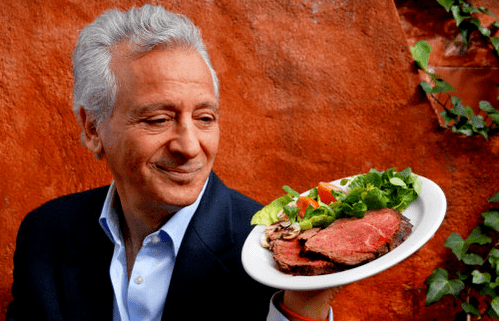
The author of the technique offers us4 stages of diet, for each stage - a specific set of products.
Stage 1 of the Dukan diet.Attack.
The essence of this stage is rapid weight loss.During its duration (5-7 days), a person eats only protein foods, with the addition of bran (from 1 to 1.5 tbsp).Seafood, lean meats, skinless poultry and dairy, low-fat products, eggs.
Stage 2 of the Dukan diet. Alternation (Cruise)At this stage, vegetables are added to the protein diet.Typically, with this diet, patients lose from 1.5 to 2.5 kg in 1 week.Until you reach your ideal weight.
Stage 3 of the Dukan Diet.Consolidation of the result.(Consolidation).This stage is aimed at consolidating the results obtained.At this time, fresh fruits, whole grain bread and cheese are added to the diet.Also, a couple of days a week you can eat starchy, high-carbohydrate foods.Food such as pasta, cereal, potatoes.This phase lasts based on the following parameters: 5 days for every 0.5 kg of weight you have lost.
Stage 4 of the Dukan Diet.The final stage of a diet, the main goal of which is constant weight control.You can return to your usual diet, but you must follow certain rules:
- Your schedule should include some kind of physical activity (walking, for example).
- One protein day should be maintained.
- Eat at least 1 tbsp of bran.
By its structure, such nutrition belongs to the category of low-carbohydrate or high-protein, whatever you want to call it.However, low and high additives raise different questions, and it is better to stick to the golden mean and measure in everything.
Yes, indeed, the Dukan diet is a fairly effective method of combating excess weight, but at the expense of the notorious reduction in the total calorie content of your diet and the horse dose of protein.Let's look at the whole process in more detail.
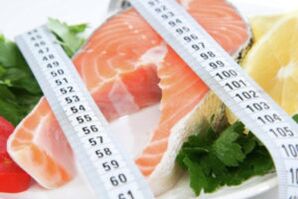
How does the Dukan diet work?
With the same total caloric intake, a diet with a high protein content allows you to lose weight faster than a high-carbohydrate diet.In this case, the muscle tissue of the body does not suffer, since a losing weight person can maintain the muscle mass of the body, practically unchanged, due to the intake of proteins of high biological value into the body.If you eat high-protein foods, then food proteins will enter the catabolic processes without affecting muscle mass.
A hyperprotein diet allows you to preserve the energy necessary for life while rapidly losing body weight.The Dukan diet is the fastest and most aggressive method of weight loss.It is intended for people suffering from stage 4 obesity.Hyperprotein diets are recommendedonly under the supervision of a doctor and for a period of 5-7 days.
The Dukan Diet almost completely eliminates the use of carbohydrates.You can only eat meat, cheese, eggs, fish, poultry.Sour cream, butter and bread - in very limited quantities, literally crumbs.600-800 calories per day means consuming 150-200 grams of protein.
On hyperproitenic diets, taking multivitaminsMANDATORY, as is medical supervision, since long-term use can disrupt kidney function.In addition, a protein diet consumes a lot of calcium, which has a bad effect on the condition of bones and teeth.A lack of plant fiber can cause serious problems with intestinal motility, so it is recommended to use mild laxatives.Also, be prepared for your breath to smell like you drank a bottle of acetone-based nail polish remover on protein diets, as ketosis is triggered and ketones are produced, which help burn fat tissue.
Contraindications
- pregnancy or lactation;
- childhood, adolescence or old age;
- liver and/or kidney failure;
- heart attack, cerebrovascular insufficiency;
- oncological diseases;
- arrhythmia;
- severe mental illness related to nutrition;
- insulin-dependent diabetes mellitus;
- hypothyroidism;
- alcoholism.
How much protein should you eat per day?
The RDA (US National Dietary Guidelines for Health) gives a figure of 0.8 grams per kilogram of body weight.This is a figure for people who do not exercise or diet, such as the average person.More recent studies say that you need 1-1.2 grams of protein per kilogram of body weight.But they haven’t become official yet.
For people involved in sports, protein standards are rising, although there is no single figure in the scientific world.Thus, the American College of Sports Medicine ACSM recommends 1.3-1.8 grams of protein per day per kg of body weight for those involved in sports, and calls 2 grams the extreme limit above which protein no longer benefits the body.
Side effects of the Dukan diet
-
Weight loss occurs mainly due to the drainage of water.With a diet consisting only of protein foods, the body enters starvation mode, because...most cells in the bodyincluding the brain, typically get their energy from other substances, such as glucose (blood sugar), which comes to us through carbohydrates.If your diet lacks carbohydrates, then the body is forced to use glucose reserves from the muscles and liver (glycogen), which leads to a decrease in muscle mass, so the first few days, rapid weight loss occurs.Due to carbohydrate starvation of cells, the body begins to break down fat with the formation of a large number of ketone bodies - ketosis.Due to it, sharp weight loss occurs in the first stages of the Dukan diet.Unfortunately, ketosis not only burns fat, but also leads to health problems, and in some cases, quite serious ones.Ketosis is often accompanied by headaches, irritability, and excessive stress on the kidneys; ketosis can also lead to arrhythmia (intermittent heartbeat) and sometimes cardiac arrest.But that’s not all, with the body remaining in a state of ketosis for a long time, the risk of developing coronary heart disease and the likelihood of stroke increases.And even if we successfully completed the first stage of the Dukan diet, then at the second stage of the “Cruise” there is an alternation of protein days with protein-vegetable days, so the stress on the body continues in full.
-
Refusal of fats or their consumption in much smaller quantities than is necessary for a healthy body is already a therapeutic diet, which is prescribed to people with certain diseases, and not just those who want to lose weight.And if for a man this can pass more or less without consequences, then a woman, in whose body adipose tissue is involved in hormonal metabolism, is very difficult to tolerate such a diet.The consequences can be catastrophic, from hormonal dysfunction to the inability to get pregnant and menstrual irregularities, up to aminorrhea.Also, fats are necessary for the formation of cell membranes, and if they are lacking, this leads to a general deterioration in the condition of the body.First of all, the gastrointestinal tract and skin are affected.If the proportion of fat in the diet is less than 10% of the total calorie content, the body reduces the production of growth hormone, thyroid hormones (thyroxine, triiodothyronine, T3, T4), sex hormones, and some adrenal hormones - that is, the very hormones that delay our aging.Therefore, completely giving up fats, or having a deficiency of 10%, threatens loss of health and premature aging.
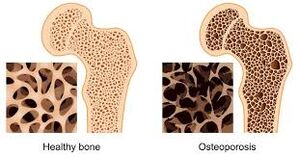
- A high-protein diet is thought to cause osteoporosis, the loss of bone mass.Protein amino acids are acids, as the name suggests.This “acidifies” the body and causes it to flush calcium from the bones to neutralize the acid.Therefore, before going on such a diet, you must be sure of your health.
- The kidneys are the body's filter.In total, they filter up to 180 liters of blood every day.Studies have shown that high-protein foods cause the kidneys to filter more blood per minute.Therefore, it has been revealed that the protein causes them to work at increased speed and can cause kidney failure.Those.The kidneys are the target organ for the Dukan diet, and before starting such a diet, it is necessary to examine your urinary and excretory system.
-
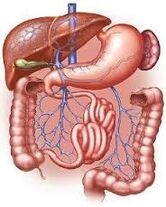
Protein causes putrefaction in your gastrointestinal tract.We eat a piece of meat.In the stomach, it is digested and processed by gastric juice, turning into mush (hummus).Then it enters the small intestine, where most of the eaten protein, under the action of enzymes, breaks down into individual amino acids, like any other protein.Through the intestinal walls they are absorbed into the bloodstream and used by the body to build its proteins.The remaining food bolus with undigested protein (about 2-3% to 5-10% of what was eaten) goes into the large intestine, and microflora lives there, which does many useful things for a person.It needs amino acids to grow and reproduce.Although microorganisms live inside a person, they are separate passengers.So, to process protein, they have their own enzymes, which are completely different from the enzymes in the human gastrointestinal tract.These enzymes process protein, and in the process various toxic and non-toxic products of its breakdown are formed.This processing of protein by bacteria is called “protein putrefaction,” although it can also be called anaerobic fermentation.In any case, this is not a piece of undigested meat lying in the intestines and rotting.The human body knows how to neutralize these toxic compounds.They go through the bloodstream from the intestines to the liver.There, with the help of various chemical processes, they become non-toxic and are excreted in the urine - this happens when a NORMAL amount of protein enters the human body.When it is significantly exceeded, the human body and its microorganisms simply cannot cope with timely digestion, the amount of white “residues” increases in direct proportion to the time of following such a diet.Toxic products accumulate in the body, resulting in protein intoxication.Your stomach begins to swell, increasing in size, growling, scaring passers-by, and constipation occurs.Is this what you want to experience while dieting?In China, there was even a very terrible type of death penalty: a person sentenced to death was fed exclusively with boiled meat, and a month later he died in terrible agony.In the absence of fiber, the meat stopped being digested completely and began to rot right in the condemned person, self-poisoning with the decay products of the meat occurred, as a result of which the person died.I hope this gets you thinking about the benefits of high protein intake.
-
Many people say that the main reason for the accumulation of fat tissue is excess carbohydrate consumption.Although this is not entirely true, and a person accumulates fat due to the overall high number of calories.Experts say that even an increased amount of protein in the body leads to the accumulation of fat.But this needs to be looked at on a case by case basis.
-
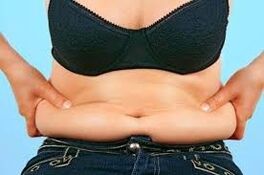
After any low-carb diet, the weight will come back.At first it will be mostly water.But, having reached the “forbidden” point, you are unlikely to be able to stop and limit the intake of the simplest source of energy (instant carbohydrates), which has been banned for so long.You definitely won’t be able to go without carbohydrates for a long time, it’s simply immoral.And any strict restrictive measure leads to failure.To avoid the effect of overcompensation, you need to exit this diet very gradually, adding 10-15 g of carbohydrates per meal per week, gradually adding fats.Those.Don’t think that after being on the Dukan diet, you will get rid of excess fat for the rest of your life.Now the most difficult thing remains - maintaining the weight.And here a rational, balanced diet comes to the rescue, which should become your way of life.Only in this way, with the help of specialists, should you return to proper nutrition, competent and lifelong, then everything lost through excessive efforts and health risks will not return to its place.
After any low-carb diet, the weight will come back.At first it will be mostly water.But once you reach the “forbidden” limit, you are unlikely to be able to stop and limit the intake of the simplest source of energy (instant carbohydrates), which has been banned for so long.You definitely won’t be able to go without carbohydrates for a long time, it’s simply immoral.And any strict restrictive measure leads to failure.To avoid the effect of overcompensation, you need to exit this diet very smoothly, adding 10-15 g of carbohydrates per meal per week, gradually adding fats.Those.Don’t think that after being on the Dukan diet, you will get rid of excess fat for the rest of your life.Now the most difficult thing remains - maintaining the weight.And here a rational, balanced diet comes to the rescue, which should become your way of life.Only in this way, with the help of specialists, should you return to proper nutrition, competent and lifelong, then everything lost through excessive efforts and health risks will not return to its place.
No matter what followers of the diet say about its rationality, first of all, like any other diet, the main disadvantage is its imbalance in nutrients, this can be read in the reviews of almost all doctors about the Dukan diet.It contains too much protein to the detriment of the carbohydrates and fats that our body needs.This is its biggest drawback.Especially if a person decides to take such a nutritional system as a basis, as the author of the Dukan diet recommends - for life.Do you think depriving yourself of essential nutrients for the rest of your life is it wise for your health, for all the continuous chemical reactions that occur in our body?!